Spectrum · The part nobody sees
Governments sell the air
National spectrum auctions have raised sums comparable to infrastructure budgets, and the price paid shows up in what carriers build.
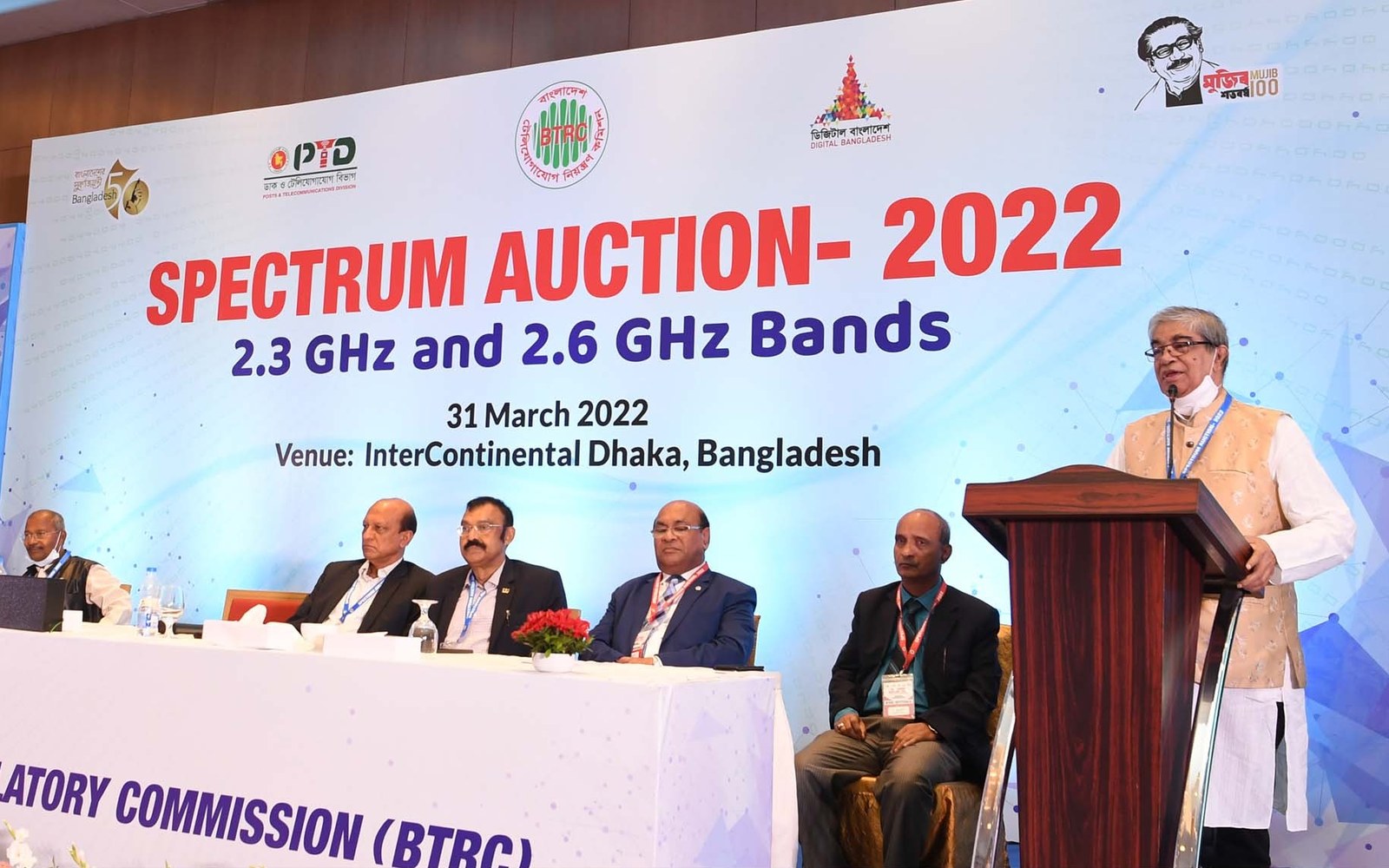
Spectrum is property the state never fully gives up — and the prices carriers pay to borrow it shape every network that follows.
The auction as policy instrument
Before 1994, spectrum in the United States was allocated through comparative hearings or lotteries — neither of which reflected what a licence was actually worth. The FCC's first commercial spectrum auction, held in July 1994, changed that permanently. By letting carriers bid against each other, the government let the market set a price, and the price turned out to be very large indeed.
The mechanism is straightforward: a regulator defines a block of spectrum — specified by band, bandwidth, geographic coverage and licence term — and invites bids. The winner pays and receives an exclusive or near-exclusive licence to operate in that block. This is not a sale outright; the state retains ultimate ownership, which is why licences expire, carry conditions and can be revoked. What the carrier buys is time and geography, not the spectrum itself.
The numbers became significant quickly. The FCC's C-block PCS auctions of 1996–1997 raised roughly $10 billion. Europe's 3G auctions in 2000 dwarfed that: the United Kingdom's five-licence sale raised £22.5 billion, and Germany's raised approximately €50.8 billion — sums that sat on carriers' balance sheets as debt for years afterward and visibly slowed their 3G rollouts. The lesson that overbidding has consequences became part of the subsequent literature on auction design.
Chronology
- 1994FCC holds first commercial spectrum auction
- 1996–97FCC C-block PCS auctions raise ~$10 billion
- 2000UK 3G auction raises £22.5 billion; Germany's raises ~€50.8 billion
- 2008FCC 700 MHz auction (Auction 73) raises over $19 billion
- 2016–17FCC incentive auction (Auction 1000) repacks UHF TV and raises ~$19.8 billion
What the price buys, and what it defers
When a carrier pays several billion dollars for a spectrum block, that sum does not produce a single tower. The licence is the prerequisite; the infrastructure is a second, larger expenditure on top. The result is a structural tension: high auction prices can crowd out capital expenditure, thinning coverage or delaying deployment in areas that are expensive to serve. Regulators have tried to manage this by attaching spectrum auction coverage obligations — requirements to serve a defined percentage of the population within a set number of years — directly to the licence.
The 3GPP-era auctions for LTE spectrum in the 700 MHz and 800 MHz bands, held across Europe and North America in the early 2010s, showed how much band choice matters to the cost equation. Low-band spectrum propagates farther, penetrates buildings better and covers a given area with fewer sites, so it commands higher per-megahertz prices than mid-band or high-band. When the FCC auctioned 700 MHz A-block and C-block licences in 2008, the total raised exceeded $19 billion, reflecting exactly that propagation premium.
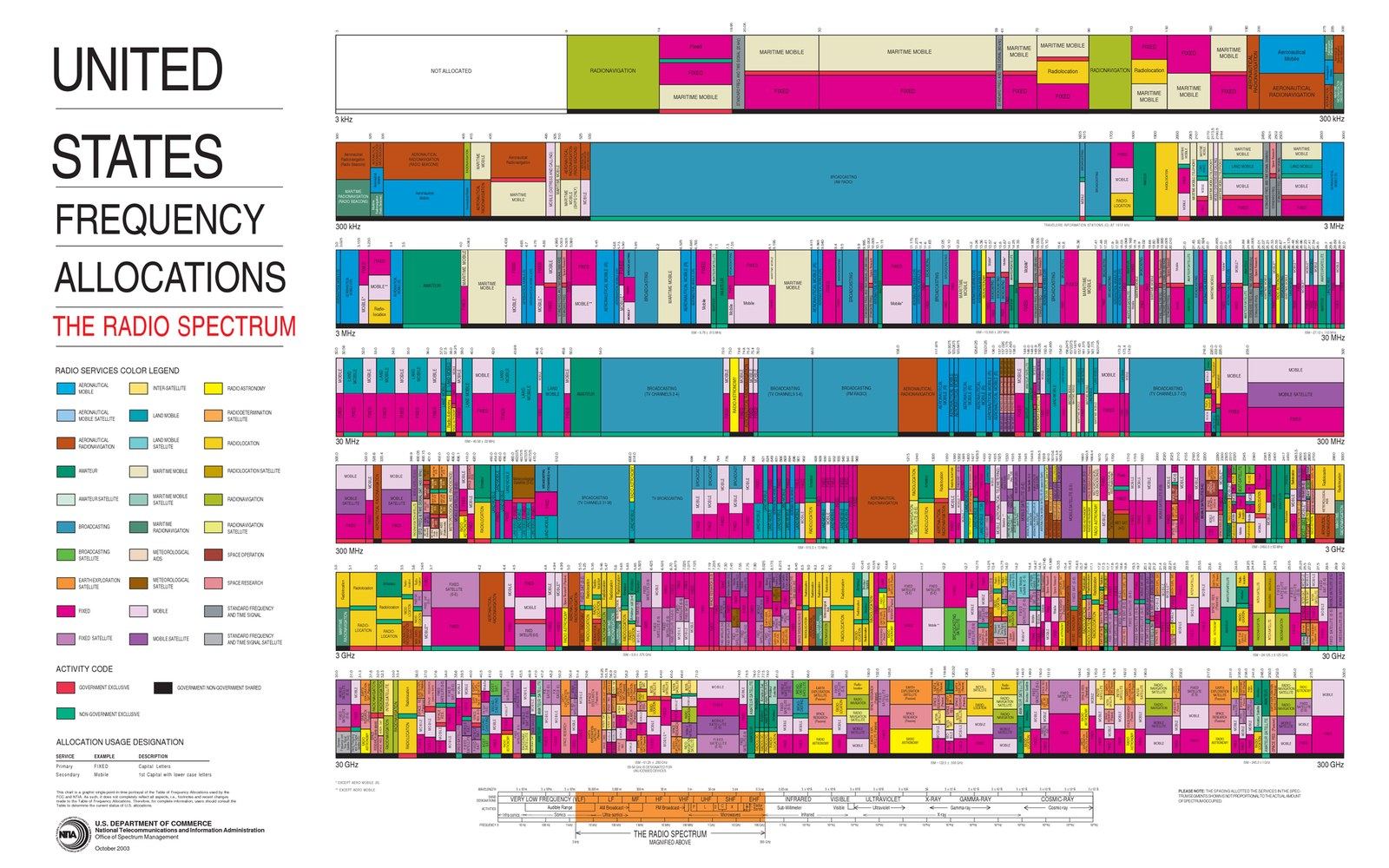
The ITU's Radio Regulations divide the world into three regions with different allocations, so a band that goes to auction in Region 2 (the Americas) may be assigned to a different service in Region 1 (Europe and Africa). Carriers operating across those boundaries cannot assume a licence in one country extends to roaming agreements built on compatible frequencies, which is part of why 5G NR's sub-6 GHz deployments landed on different bands in the US and Europe — C-band around 3.7 GHz in the US, versus the 3.4–3.8 GHz range harmonised across much of Europe by ETSI and the European Commission.
Auction design as an engineering constraint
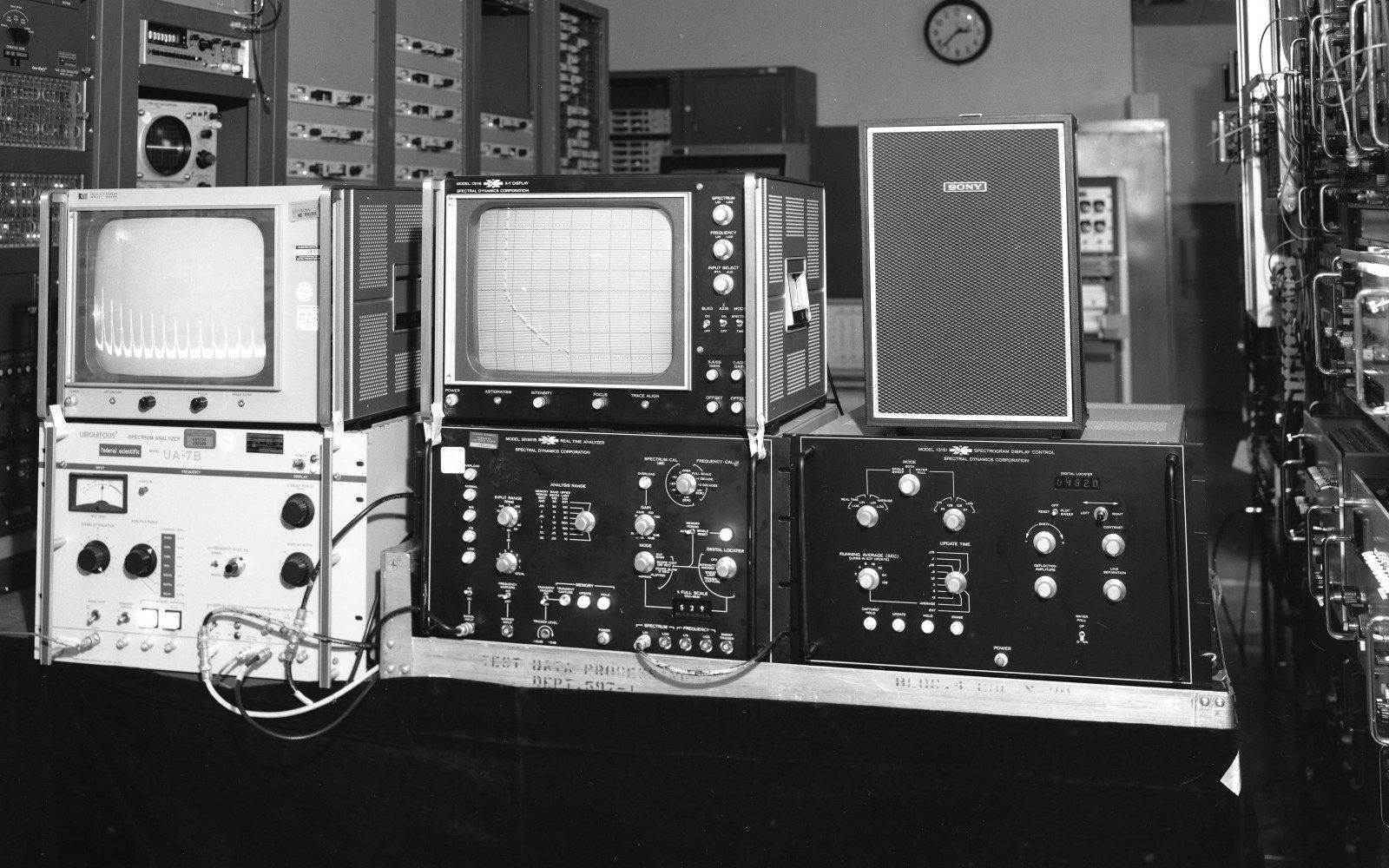
Economists and engineers have to solve the auction together. The FCC's incentive auctions of 2016–2017, which repacked UHF television broadcasters to free the 600 MHz band for mobile broadband, required solving an NP-hard constraint-satisfaction problem across thousands of TV assignments while the auction clock was running. The technical mechanism is documented in the FCC's public order for Auction 1000. The band raised approximately $19.8 billion and delivered spectrum that carriers deployed as the low-band anchor for early 5G coverage.
What the auction record shows, across thirty years, is that spectrum pricing is infrastructure policy by other means. The government that sets a reserve price too high may raise a record sum and receive coverage it cannot enforce; the government that prices too low may under-fund its own treasury while gifting margin to incumbents. Neither outcome is neutral, and the frequency assignments that follow shape the RF front end every device must carry for the next decade.
The 3GPP-era auctions for LTE spectrum in the 700 MHz and 800 MHz bands, held across Europe and North America in the early 2010s, showed how much band choice matters to the cost equation.
Key mechanism
- Licence — not ownership of spectrum; a time-limited, conditioned right to use a defined block
- Coverage obligation — deployment requirement attached directly to the licence; failure risks revocation
- Reserve price — regulator-set floor below which no bid is accepted; calibration affects both revenue and deployment pace
- Incentive auction — reverse-then-forward mechanism that clears incumbents (e.g., TV broadcasters) to make room for new uses
Read next
The rest of the part nobody sees
- SpectrumThe unlicensed slice everything crowds intoThe ISM bands were set aside for industrial, scientific and medical use, and Wi-Fi, Bluetooth and Zigbee all share them by accident of that allocation.
- SpectrumThe same band is not the same bandThe ITU divides the world into three regions with different allocations, which is why the same handset supports different bands in different markets.
 SpectrumA band two industries both wantedOpening 6 GHz for unlicensed use was contested by incumbent licensees, and different regulators resolved it differently.