Spectrum · The part nobody sees
A band two industries both wanted
Opening 6 GHz for unlicensed use was contested by incumbent licensees, and different regulators resolved it differently.
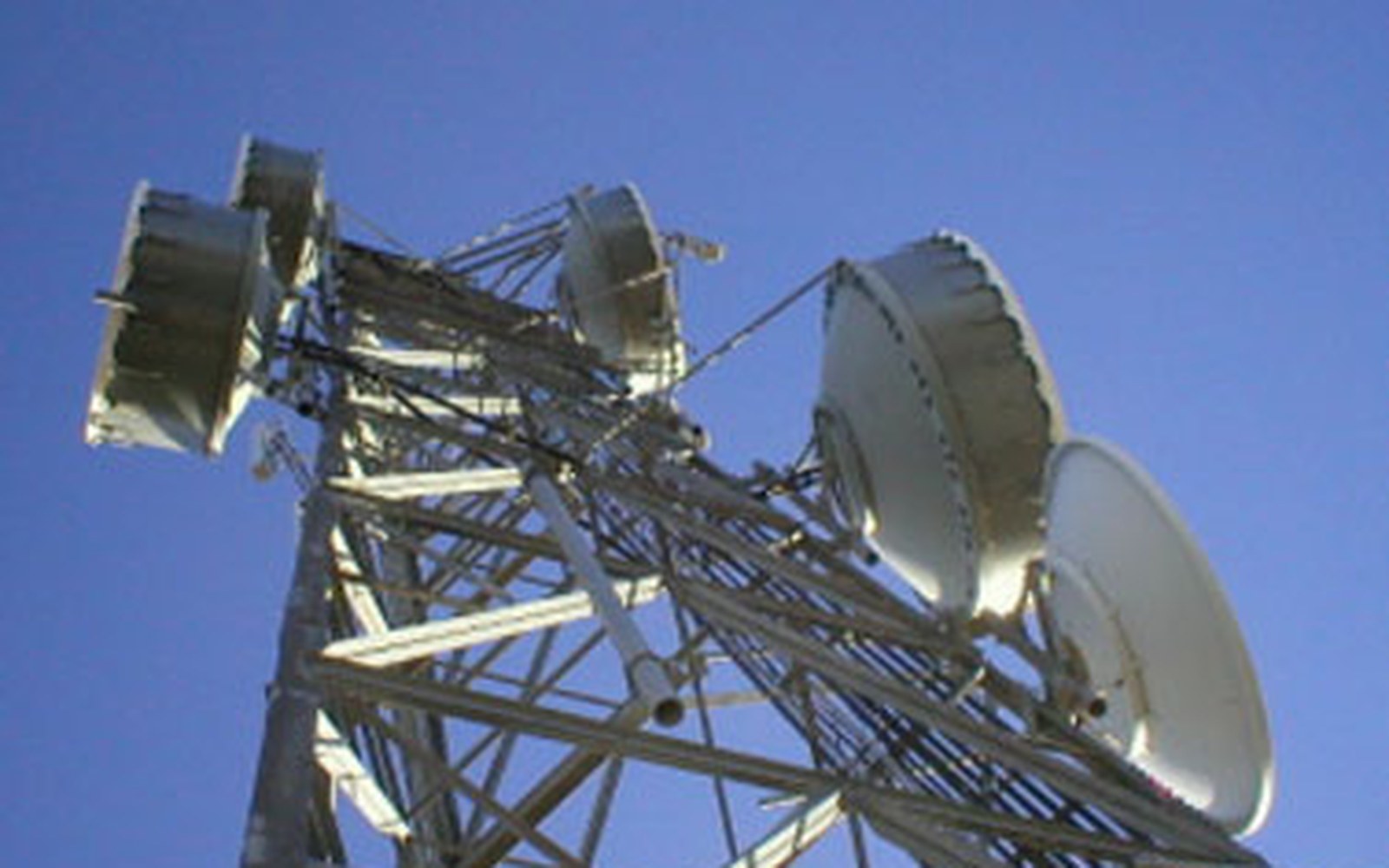
When the FCC opened 1,200 MHz of the 6 GHz band for unlicensed use in 2020, it handed Wi-Fi its biggest single spectrum gain in two decades — and it did so over sustained objection from fixed microwave operators, satellite earth stations and public-safety agencies who already had licenses there.
The incumbents' case
The 6 GHz band — roughly 5.925 to 7.125 GHz — was not empty. Fixed microwave links have operated there for decades, carrying utility grid control traffic, broadcast backhaul and public-safety communications. Satellite earth stations uplink into portions of it. These are licensed services, meaning their operators paid for or were granted legal protection against interference. When the Wi-Fi industry, led by the Wi-Fi Alliance, began lobbying regulators to open the band for unlicensed use, the incumbents' concern was straightforward: a dense urban deployment of Wi-Fi access points running at high power could corrupt links that had no easy alternative path.
The technical answer the unlicensed proponents offered was automated frequency coordination (AFC), a database-driven system in which a standard-power 6 GHz device queries a central register before transmitting, receives back a list of channels safe to use at that location, and operates only there. Devices too small or mobile to query a database — client radios, IoT endpoints — would be limited to low power, keeping their range short enough to reduce aggregate interference risk. This split the device class into standard-power and low-power categories, each with different rules, and became the architecture the FCC adopted in April 2020 when it authorized the full 1,200 MHz of the U.S. 6 GHz band for unlicensed use.
How regulators diverged
The United States went the furthest and moved first. The FCC's April 2020 order was unusually large: 1,200 MHz in a single proceeding, with AFC as the interference-management mechanism for the upper sub-band where fixed links are densest. The European regulator ETSI and the relevant EU body moved more slowly and more narrowly. As of 2021, Europe authorized only the lower 500 MHz of the band — 5.925 to 6.425 GHz — for low-power indoor use, leaving the upper portion unlicensed in the U.S. but still protected in Europe. The practical consequence is that a Wi-Fi 6E or Wi-Fi 7 device built for the American market has access to channels in the upper 6 GHz sub-band that a European device may never be permitted to use.
Other ITU regions resolved it differently again. Brazil and Saudi Arabia followed the U.S. model and opened the full 1,200 MHz. The United Kingdom, post-Brexit, consulted independently through Ofcom and authorized the lower portion; its upper-band proceeding remained open into the mid-2020s. India, a major market whose approach had been watched closely, moved to open part of the band to unlicensed use, though later than the U.S. and with a narrower scope. China did not open the band for Wi-Fi, a decision that affected chipset roadmaps because manufacturers supplying the Chinese market could not simply reuse 6 GHz-capable silicon without maintaining separate product lines.
What the divergence costs
Fragmentation at the regulatory level feeds directly into hardware. A chipset designed to handle the full 1,200 MHz in the U.S. carries filters, amplifiers and switching logic — the RF front end — that a device sold in a restricted market does not legally need to use. Some manufacturers ship globally capable silicon and disable upper channels through firmware tied to regulatory domain settings; others produce regionally differentiated SKUs. Neither approach is free. Meanwhile, the incumbent licensees in the microwave and satellite industries continue to monitor AFC system accuracy, and the legal obligation to protect their links remains — the opening of the 6 GHz band was a coexistence agreement, not an eviction.
Chronology
- April 2020FCC authorizes full 1,200 MHz of 6 GHz for unlicensed use (U.S.)
- 2021EU/ETSI authorizes lower 500 MHz (5.925–6.425 GHz) for indoor low-power use
- 2023India opens a substantial portion of the 6 GHz band for unlicensed Wi-Fi
- Mid-2020sUK upper sub-band proceeding ongoing; China declines to open band for Wi-Fi
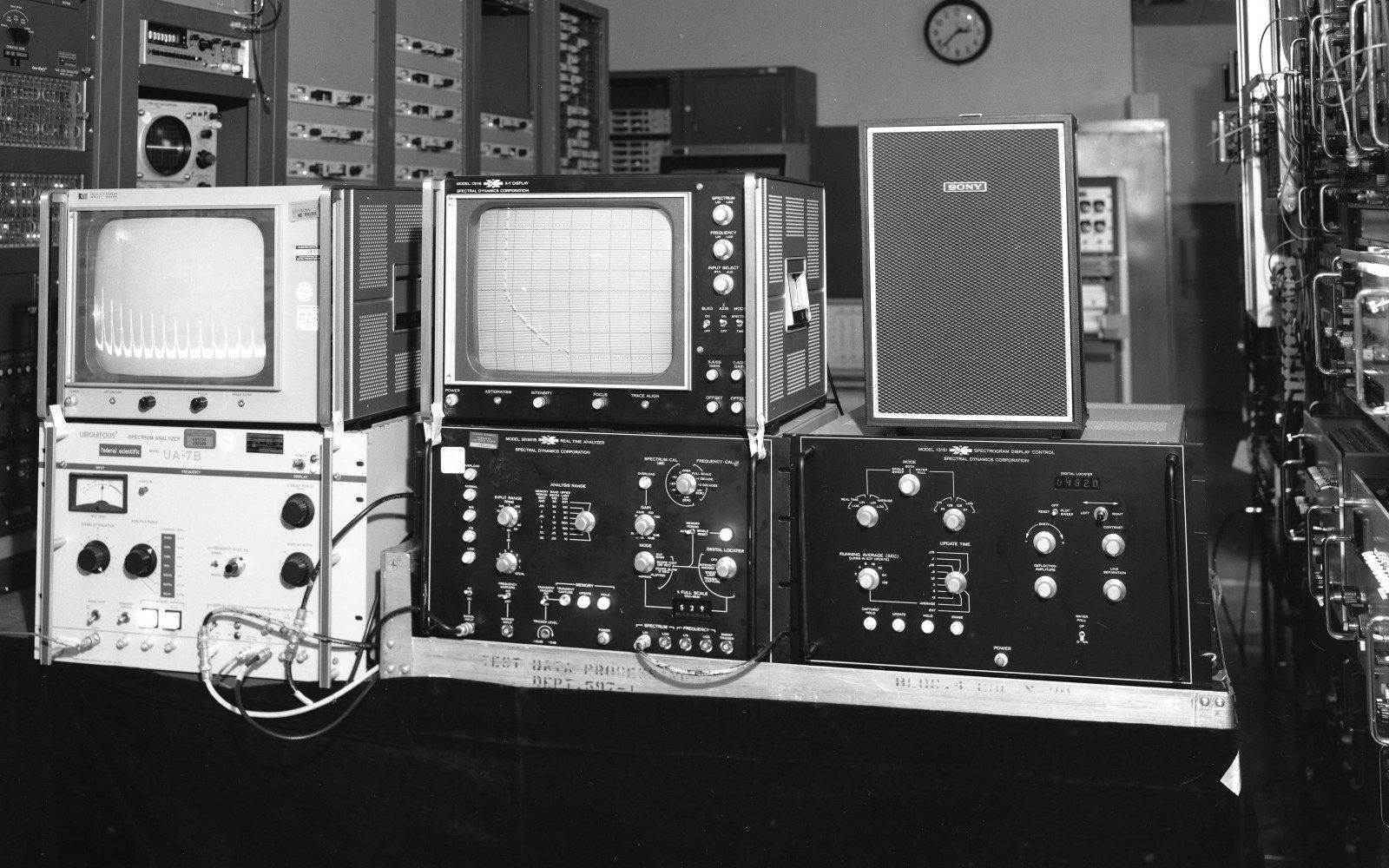
The FCC's April 2020 order was unusually large: 1,200 MHz in a single proceeding, with AFC as the interference-management mechanism for the upper sub-band where fixed links are densest.
The device-power split
- Standard-power devices — must query an AFC database before operating; permitted across more channels
- Low-power indoor devices — no AFC required; restricted power limits and typically indoor only
- Very-low-power devices — lowest limits; intended for short-range IoT-class use
Read next
The rest of the part nobody sees
- SpectrumThe unlicensed slice everything crowds intoThe ISM bands were set aside for industrial, scientific and medical use, and Wi-Fi, Bluetooth and Zigbee all share them by accident of that allocation.
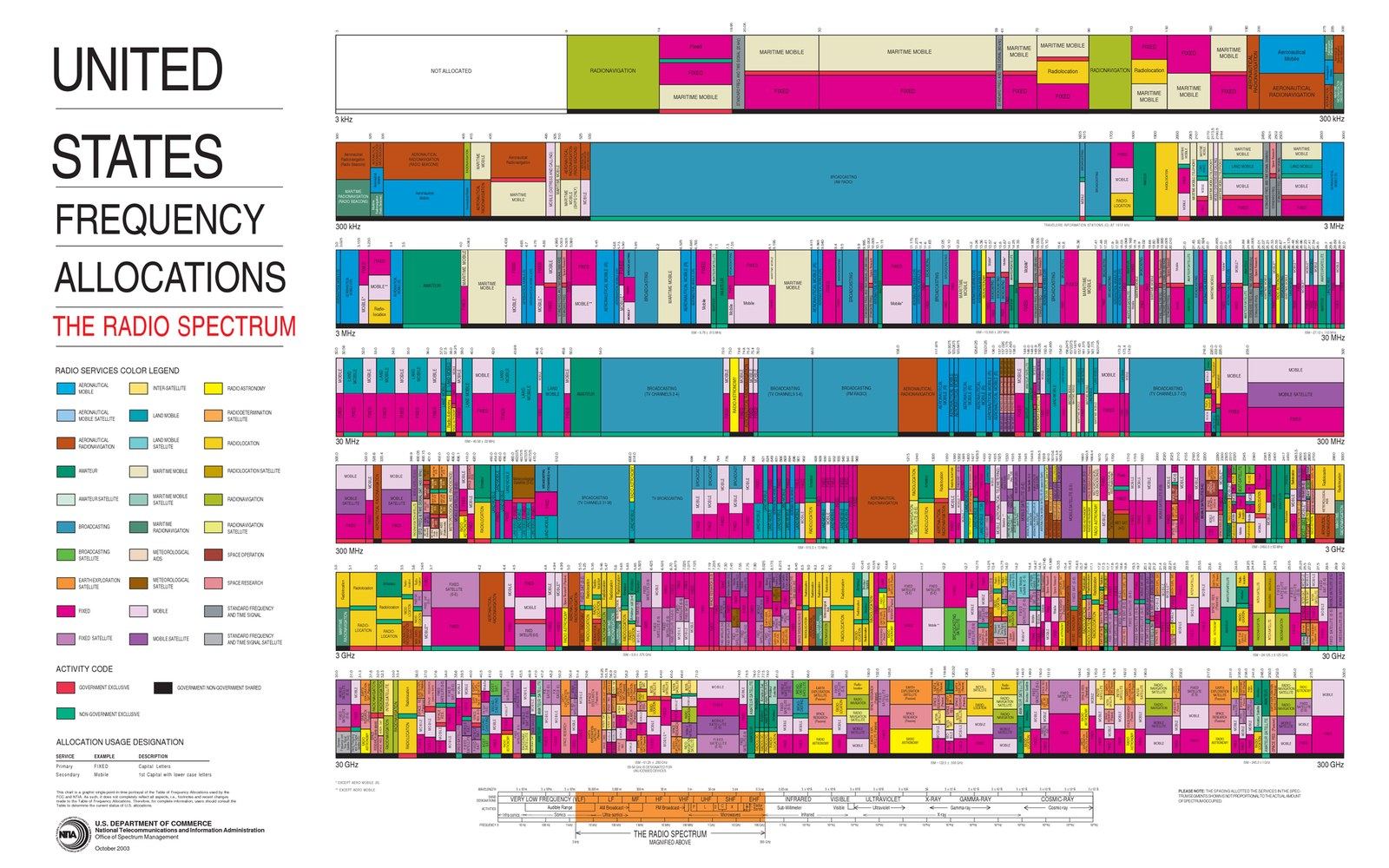
- SpectrumThe same band is not the same bandThe ITU divides the world into three regions with different allocations, which is why the same handset supports different bands in different markets.
 SpectrumGovernments sell the airNational spectrum auctions have raised sums comparable to infrastructure budgets, and the price paid shows up in what carriers build.