a, g, n, ac, ax — a line that became unreadable
The lettered amendments carried real technical changes, and by 2018 the Wi-Fi Alliance renamed them retroactively because the letters had stopped communicating.
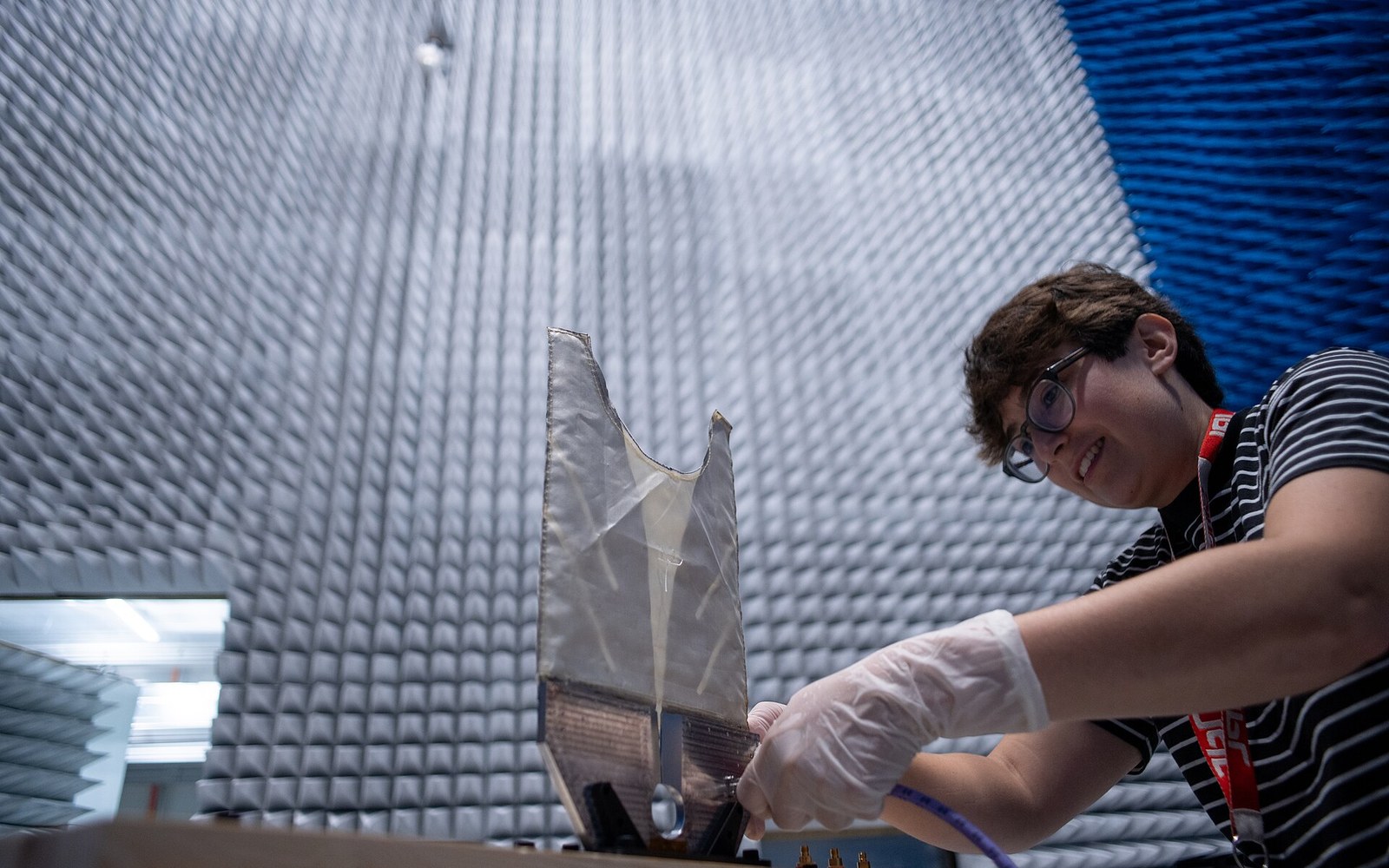
Photo: Antenna Testing for NASA’s SkyFall Mission (PIA26759) · Wikimedia Commons
The original 802.11 was ratified in 1997 at up to 2 Mbit/s, and it took 802.11b in 1999 to make wireless networking practical.


The lettered amendments carried real technical changes, and by 2018 the Wi-Fi Alliance renamed them retroactively because the letters had stopped communicating.
Spectrum
The ITU divides the world into three regions with different allocations, which is why the same handset supports different bands in different markets.
Committee
IEEE 802.11 is a working group whose output is a document, and the ballot process explains why amendments arrive in the order they do.
Who actually decides
Each dot is the seat of one standards body — the address its documents are balloted, published or certified from.