Lineage · Two lines of descent
Two megabits, and almost nobody used it
The original 802.11 was ratified in 1997 at up to 2 Mbit/s, and it took 802.11b in 1999 to make wireless networking practical.
The standard that arrived before the world was ready for it
The IEEE ratified 802.11 in June 1997. It defined a wireless local-area network protocol operating in the 2.4 GHz ISM band — the unlicensed slice of spectrum carved out decades earlier for industrial, scientific and medical equipment — and it promised a maximum physical-layer data rate of 2 Mbit/s. On paper, that was enough to move files. In practice, almost nobody did.
The original standard offered two radio-based physical layers alongside an infrared option that was dead on arrival. The first radio option used frequency-hopping spread spectrum, or FHSS, which scattered transmissions across the 2.4 GHz band in a pseudo-random sequence to reduce interference. The second used direct-sequence spread spectrum, DSSS, which spread each bit across a wider slice of the band simultaneously. Neither was especially fast, and the two were not interoperable — equipment from one school could not talk to equipment from the other. DSSS would eventually win, but in 1997 nobody had picked a winner yet, and nobody was buying in volume regardless.
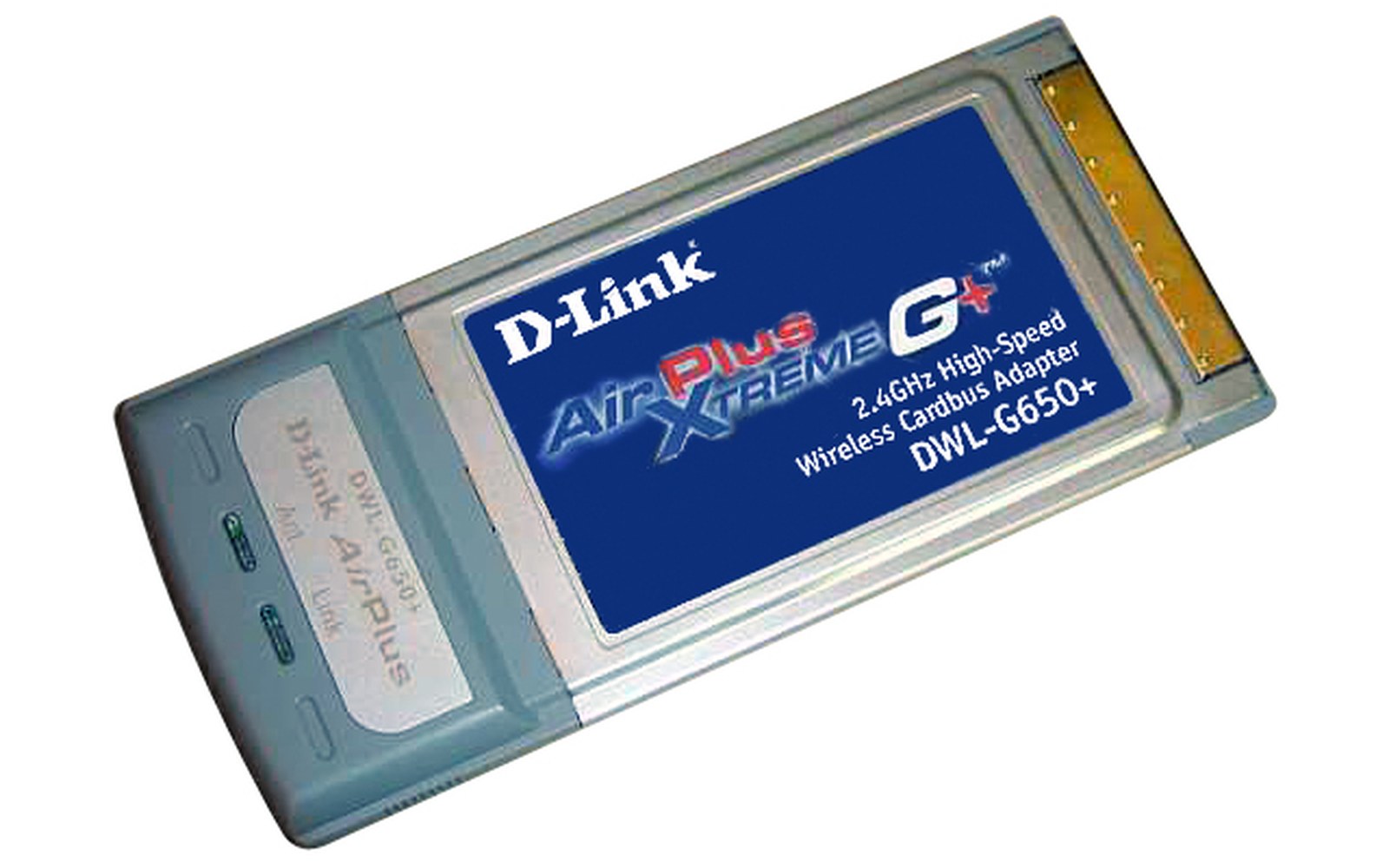
The hardware that existed was expensive, slow and physically large. Access points sold for hundreds of dollars; client cards for laptops were thick and protruded from PCMCIA slots like small antennae-bearing wings. A 2 Mbit/s ceiling sounds modest now, but the real throughput was considerably lower once the 802.11 MAC protocol's overhead — its collision avoidance, its acknowledgement frames, its inter-frame spacing — was applied to actual traffic. The protocol had been designed for reliability across a noisy shared medium, and reliability costs headroom. Real-world transfers often ran well under 1 Mbit/s.
Chronology
- June 1997IEEE ratifies original 802.11 at up to 2 Mbit/s
- September 1999IEEE ratifies 802.11b (11 Mbit/s) and 802.11a (54 Mbit/s) simultaneously
- July 1999Apple ships AirPort base station, early mass-market 802.11b product
- 1999WECA (later the Wi-Fi Alliance) founded to certify 802.11b interoperability
The target market in 1997 was enterprise and industrial: warehouse inventory systems, hospital floors where cable was difficult to run, trading floors that needed flexible reconfiguration. Consumers were not part of the conversation. Home broadband itself was barely a conversation; most residential internet connections in 1997 were dial-up lines running at 28.8 or 33.6 kbit/s. A 2 Mbit/s wireless link, had it been affordable, would have been fast enough to saturate the typical internet connection several times over. The bottleneck was not 802.11; the bottleneck was everything else. But the hardware cost ensured that almost no homes had 802.11 to ignore.
802.11b and the moment wireless became real
The amendment that changed the picture was 802.11b, ratified by the IEEE in September 1999. It kept the 2.4 GHz band and the DSSS physical layer but introduced a new encoding scheme — complementary code keying, CCK — that lifted the maximum rate to 11 Mbit/s while retaining backward compatibility with the 1 and 2 Mbit/s rates of the original. The same CCK scheme could fall back gracefully as signal quality degraded, stepping through 5.5 Mbit/s before landing at the older rates. That rate-adaptation mechanism was not glamorous, but it was the feature that made 802.11b work in real buildings with real walls.
Equally important was what happened to the hardware. Several factors converged around 1999 and 2000. Chipset integration improved dramatically: what had required multiple discrete components could now live on two or three chips. Lucent Technologies shipped the WaveLAN line; its silicon eventually became the Orinoco family. Harris Semiconductor and Intersil both produced PRISM chipsets that found their way into dozens of access points and cards. The Wi-Fi Alliance — then still called the Wireless Ethernet Compatibility Alliance, or WECA — was founded in 1999 specifically to certify interoperability among 802.11b gear, because the standard alone did not guarantee that devices from different manufacturers would actually work together. The certification mark it eventually settled on, Wi-Fi, became the consumer shorthand that persisted through every subsequent generation.
Prices fell sharply. By 2001, access points had dropped to under two hundred dollars at retail, and client cards were widely available for laptops. Apple had introduced its AirPort base station in July 1999 — one of the first consumer 802.11b products at a mainstream price, and unusual in being marketed directly to home users rather than IT departments. The combination of affordable hardware, an interoperability certification body and a catchy name produced the first genuine consumer wireless networking market.
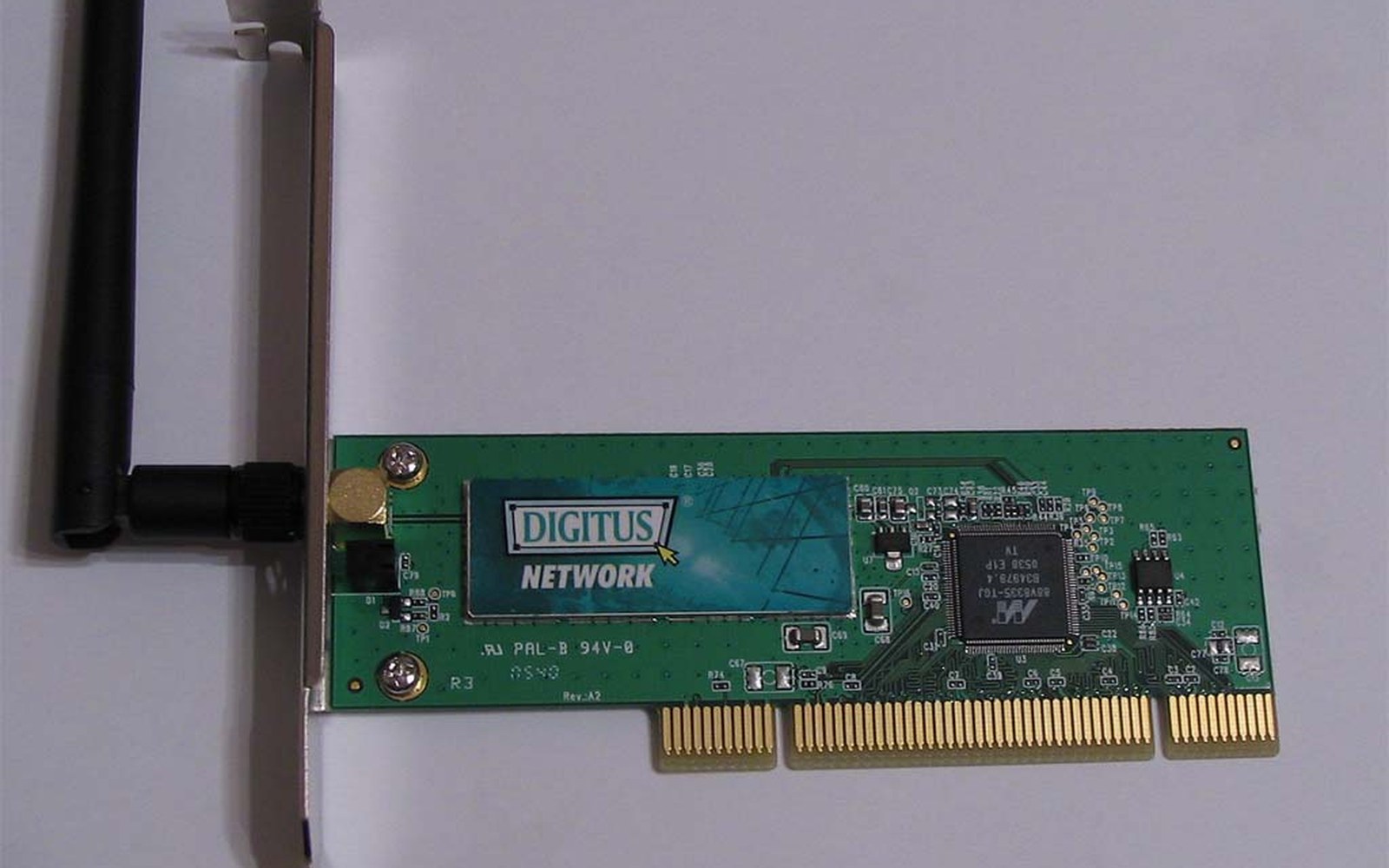
The 2.4 GHz ISM band came with costs as well as benefits. Because it was unlicensed, it was shared with microwave ovens, cordless phones, early Bluetooth devices and anything else that the FCC's Part 15 rules permitted to operate there without a licence. The ISM band's crowding was already a known problem in 1999, and 802.11b made it considerably worse by driving mass-market adoption of a technology that sat squarely in the middle of the most contested slice of unlicensed spectrum. The standard defined fourteen channel positions across the 2.4 GHz band — fewer in the United States, where the FCC permitted only eleven — but the channels overlapped substantially, leaving only three non-overlapping channels available. Dense deployments learned to coordinate on channels 1, 6 and 11. Everyone else learned about interference.
The 11 Mbit/s ceiling of 802.11b also arrived just as broadband was beginning its expansion. DSL and cable modem connections were climbing from 512 kbit/s toward 1–2 Mbit/s in the early 2000s; 802.11b was fast enough to carry those connections wirelessly with room to spare. But file sharing across the local network — moving a CD rip, backing up a hard drive — exposed the ceiling quickly. The next amendment, 802.11a, had been ratified concurrently with 802.11b in September 1999, using the 5 GHz band and OFDM encoding to reach 54 Mbit/s. It arrived first on paper but second in practice: 5 GHz hardware was more expensive to build, the shorter wavelength reached less far through walls, and the installed base of 2.4 GHz infrastructure gave 802.11b a momentum that 802.11a never overcame in the consumer market.
What the 1997 standard actually accomplished was quieter but necessary: it defined the MAC layer architecture, the collision-avoidance medium-access mechanism known as CSMA/CA, and the basic frame structure that every subsequent 802.11 amendment inherited. The physical layer changed with nearly every successor. The MAC, in its broad outline, did not. Two megabits was the wrong speed for its moment; the scaffolding around it turned out to be the durable part.
The target market in 1997 was enterprise and industrial: warehouse inventory systems, hospital floors where cable was difficult to run, trading floors that needed flexible reconfiguration.
What the original standard defined
- Physical layers — FHSS, DSSS (radio) and infrared; DSSS won, infrared was never adopted
- MAC protocol — CSMA/CA (carrier-sense multiple access with collision avoidance), inherited by all successors
- Rate tiers — 1 Mbit/s and 2 Mbit/s; 802.11b added 5.5 and 11 Mbit/s via CCK encoding
- Channel plan — 14 positions in 2.4 GHz band; only 3 non-overlapping in any given regulatory region
Also in Lineage
Read next
The rest of two lines of descent
- Lineagea, g, n, ac, ax — a line that became unreadableThe lettered amendments carried real technical changes, and by 2018 the Wi-Fi Alliance renamed them retroactively because the letters had stopped communicating.
- LineageAdding a band, then adding widthWi-Fi 6E opened the 6 GHz band and Wi-Fi 7 widened channels and added multi-link operation, both of which are spectrum decisions before they are silicon ones.
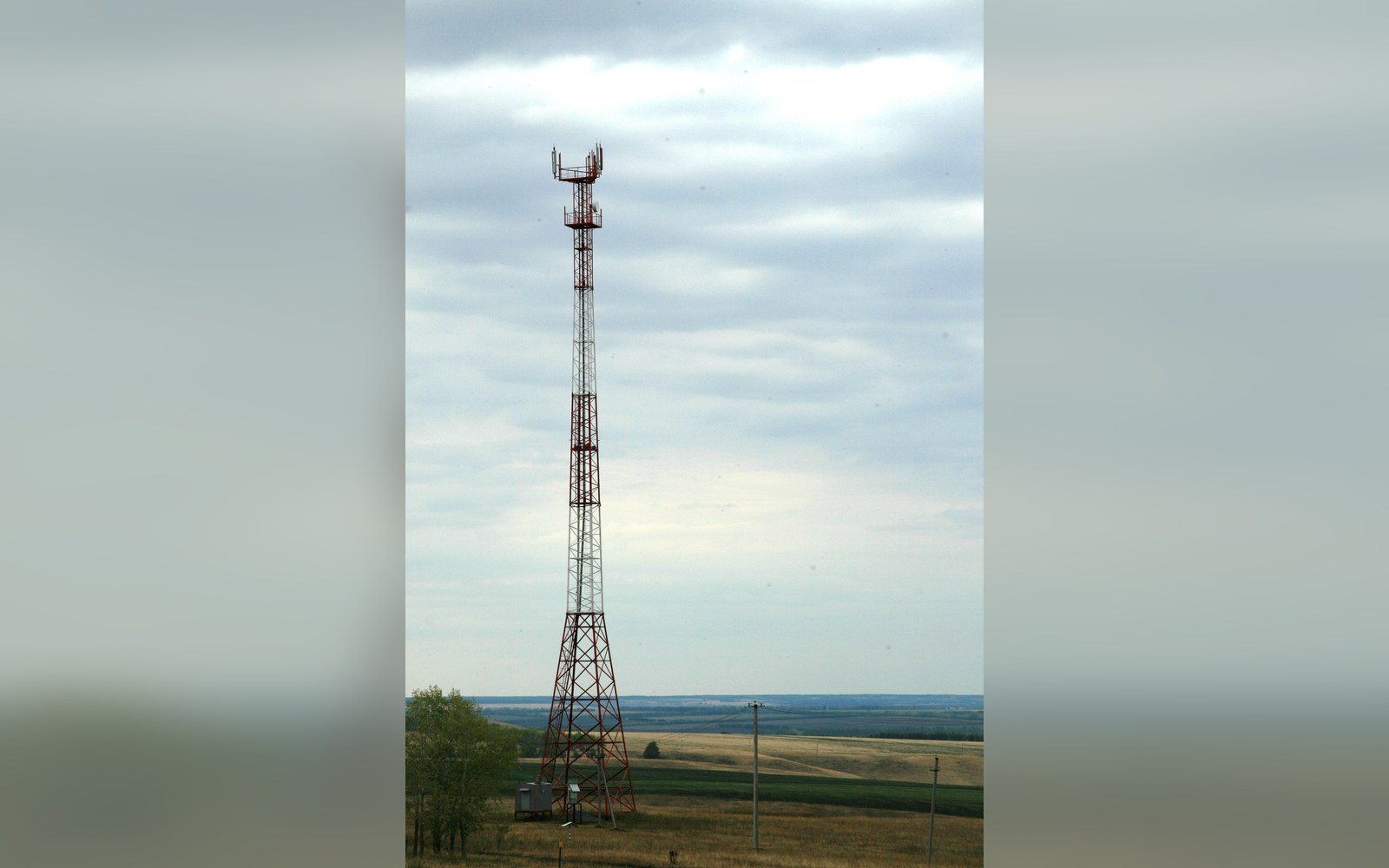 LineageA parallel line, defined by releasesGSM from 1991 through UMTS to LTE in 2009 is a sequence of 3GPP releases, which is why cellular generations have dates rather than launch events.