Lineage · Two lines of descent
Adding a band, then adding width
Wi-Fi 6E opened the 6 GHz band and Wi-Fi 7 widened channels and added multi-link operation, both of which are spectrum decisions before they are silicon ones.
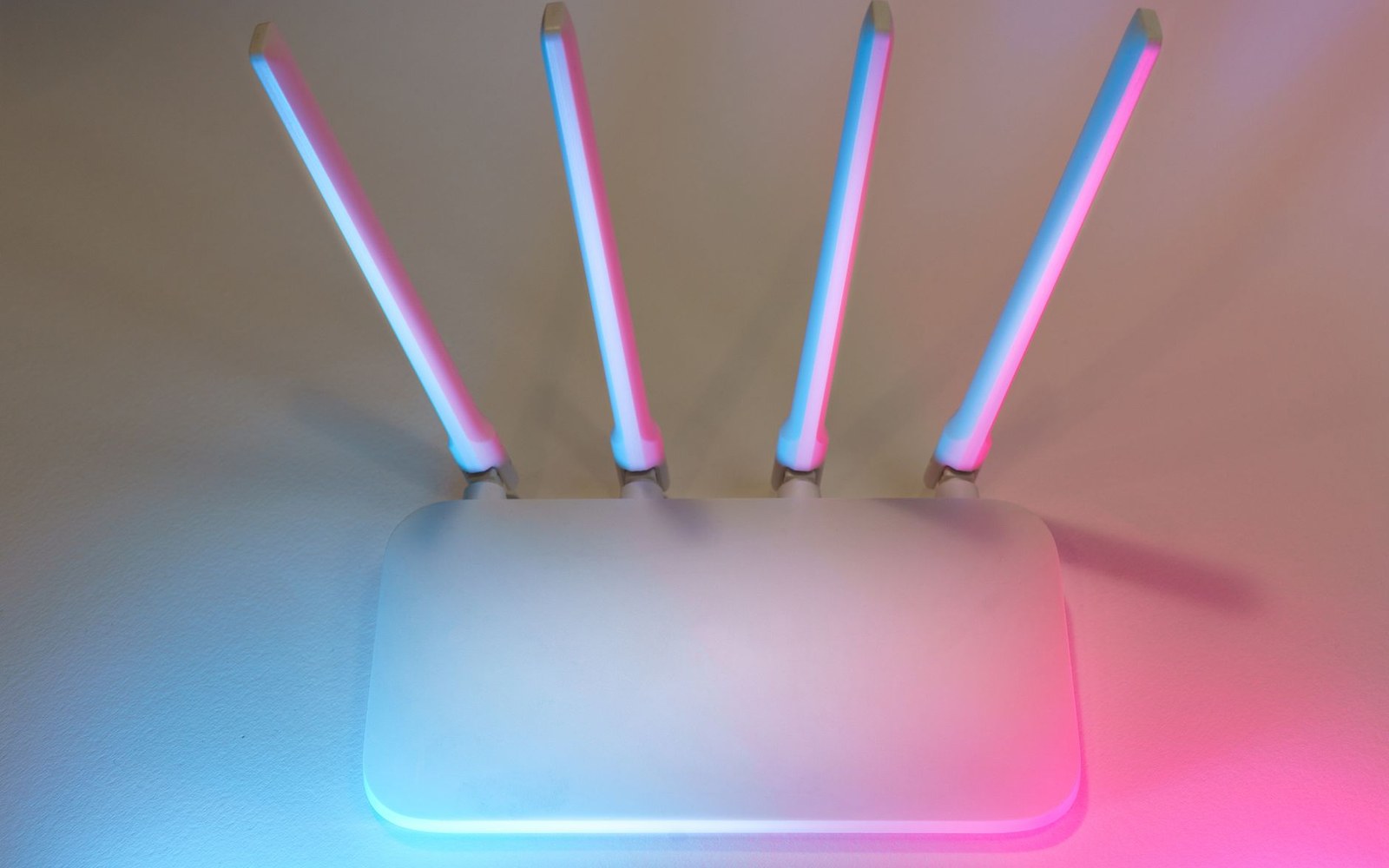
The jumps to Wi-Fi 6E and Wi-Fi 7 look like silicon victories. They are spectrum decisions wearing silicon clothing.
The 6 GHz opening
Every generation of Wi-Fi between 1999 and 2019 operated inside the same two unlicensed slices: the 2.4 GHz band and the 5 GHz band, both designated under the ISM-band framework the ITU had reserved for industrial, scientific and medical use. By the time 802.11ac was widespread, those slices were congested in any dense environment — apartments, airports, convention halls — because every Wi-Fi generation ever ratified still lived there alongside Bluetooth, Zigbee, microwave ovens and baby monitors.
The fix was not a new modulation scheme. It was a new band. The FCC voted in April 2020 to open 1,200 MHz of the 6 GHz band — from 5.925 GHz to 7.125 GHz — for unlicensed use, the largest single addition of unlicensed spectrum in the agency's history. The UK's Ofcom followed with a comparable decision, as did regulators across the EU under ETSI coordination, though the exact allocations varied by jurisdiction. IEEE 802.11ax, ratified in February 2021, was already written; the amendment that addressed 6 GHz operation became 802.11ax-2021, and the Wi-Fi Alliance branded any device using that band Wi-Fi 6E — the E standing for Extended.
What 6 GHz delivered, first and foremost, was room. The 5 GHz band had space for roughly 24 non-overlapping 20 MHz channels depending on the regulatory domain; the 6 GHz addition offers up to 59 such channels in the U.S. allocation alone. That roominess matters because wider channels — 80 MHz and 160 MHz — had been technically possible since 802.11ac but were practically impossible to use cleanly in the 5 GHz band without stepping on adjacent traffic. In 6 GHz they can actually be deployed. Throughput figures in 802.11ax at 160 MHz approach 2.4 Gbit/s under ideal conditions; the modulation and OFDMA multiple-access scheme were inherited from Wi-Fi 6, but the band finally gave them space.
Key dates in sequence
- April 2020 — FCC opens 5.925–7.125 GHz (1,200 MHz) for unlicensed use
- February 2021 — IEEE 802.11ax-2021 ratified; Wi-Fi Alliance brands 6 GHz-capable devices Wi-Fi 6E
- May 2024 — IEEE 802.11be ratified; Wi-Fi Alliance brands compliant devices Wi-Fi 7
Widening the channel, then linking the bands
Wi-Fi 7 — formally IEEE 802.11be, ratified in May 2024 — pushed channel width to 320 MHz. That figure is not an incremental step; it doubles the widest channel Wi-Fi 6E could theoretically use and requires 6 GHz spectrum to be viable at all, because neither 2.4 GHz nor 5 GHz has 320 contiguous megahertz available anywhere. The standard defines the format; whether a device can actually use 320 MHz channels in a given country depends on whether that country's regulator has released the corresponding portion of 6 GHz spectrum.
The second major addition in 802.11be is Multi-Link Operation, known as MLO. Previous Wi-Fi devices could hold associations on more than one band, but they had to choose which band carried each packet at association time and could not aggregate them simultaneously for a single traffic stream. MLO allows a client and an access point to transmit and receive concurrently across two or even three bands — 2.4 GHz, 5 GHz and 6 GHz — treating them as a single logical pipe. Latency drops because a packet can take whichever link has the clearest path at that instant; reliability rises because losing one link does not drop the session. The RF front end required to implement this is considerably more complex: separate radio chains, separate filters and low-noise amplifiers, all integrated into a device that may be a phone or a laptop with strict power budgets.
MU-MIMO antenna counts also climbed. 802.11be defines up to 16 spatial streams, double the 8 of 802.11ax. In practice, access points ship with four to eight streams and clients with two or four, but the ceiling matters for dense deployments where multiple high-stream devices share an AP.
Both transitions — 6E's band addition and Wi-Fi 7's channel widening and MLO — required regulatory coordination before they required engineering. A chip can implement 320 MHz channels in months; persuading a national spectrum authority to clear incumbent licensees from the corresponding frequencies takes years. The silicon follows the allocation. It always has.
In practice, access points ship with four to eight streams and clients with two or four, but the ceiling matters for dense deployments where multiple high-stream devices share an AP.
What the bands actually provide
- 2.4 GHz — ~3 non-overlapping 20 MHz channels; long range, high congestion
- 5 GHz — ~24 non-overlapping 20 MHz channels (U.S.); 80/160 MHz channels possible but crowded
- 6 GHz (U.S. allocation) — up to 59 non-overlapping 20 MHz channels; room for 320 MHz channels
Also in Lineage
Technical additions per generation
- Wi-Fi 6E — OFDMA and MU-MIMO from Wi-Fi 6, applied in 6 GHz spectrum; 160 MHz channels now usable in practice
- Wi-Fi 7 (802.11be) — 320 MHz channels; Multi-Link Operation across two or three simultaneous bands; up to 16 spatial streams defined
Read next
The rest of two lines of descent
- LineageTwo megabits, and almost nobody used itThe original 802.11 was ratified in 1997 at up to 2 Mbit/s, and it took 802.11b in 1999 to make wireless networking practical.
- Lineagea, g, n, ac, ax — a line that became unreadableThe lettered amendments carried real technical changes, and by 2018 the Wi-Fi Alliance renamed them retroactively because the letters had stopped communicating.
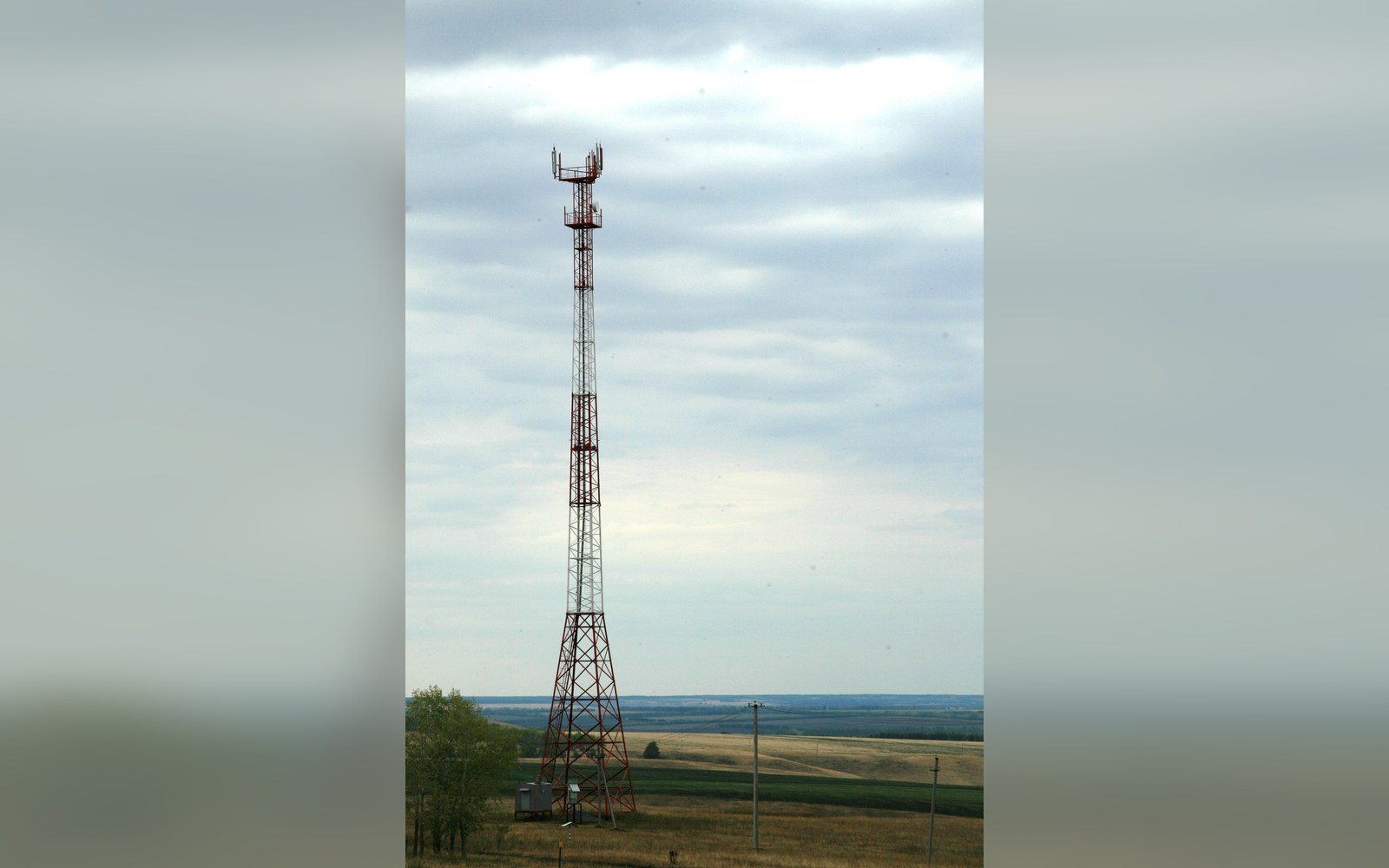 LineageA parallel line, defined by releasesGSM from 1991 through UMTS to LTE in 2009 is a sequence of 3GPP releases, which is why cellular generations have dates rather than launch events.