Hardware · What has to implement it
Radios designed to sleep
BLE, Zigbee, Thread and LoRaWAN trade throughput for duty cycle, and each picked a different point on that curve for a stated reason.
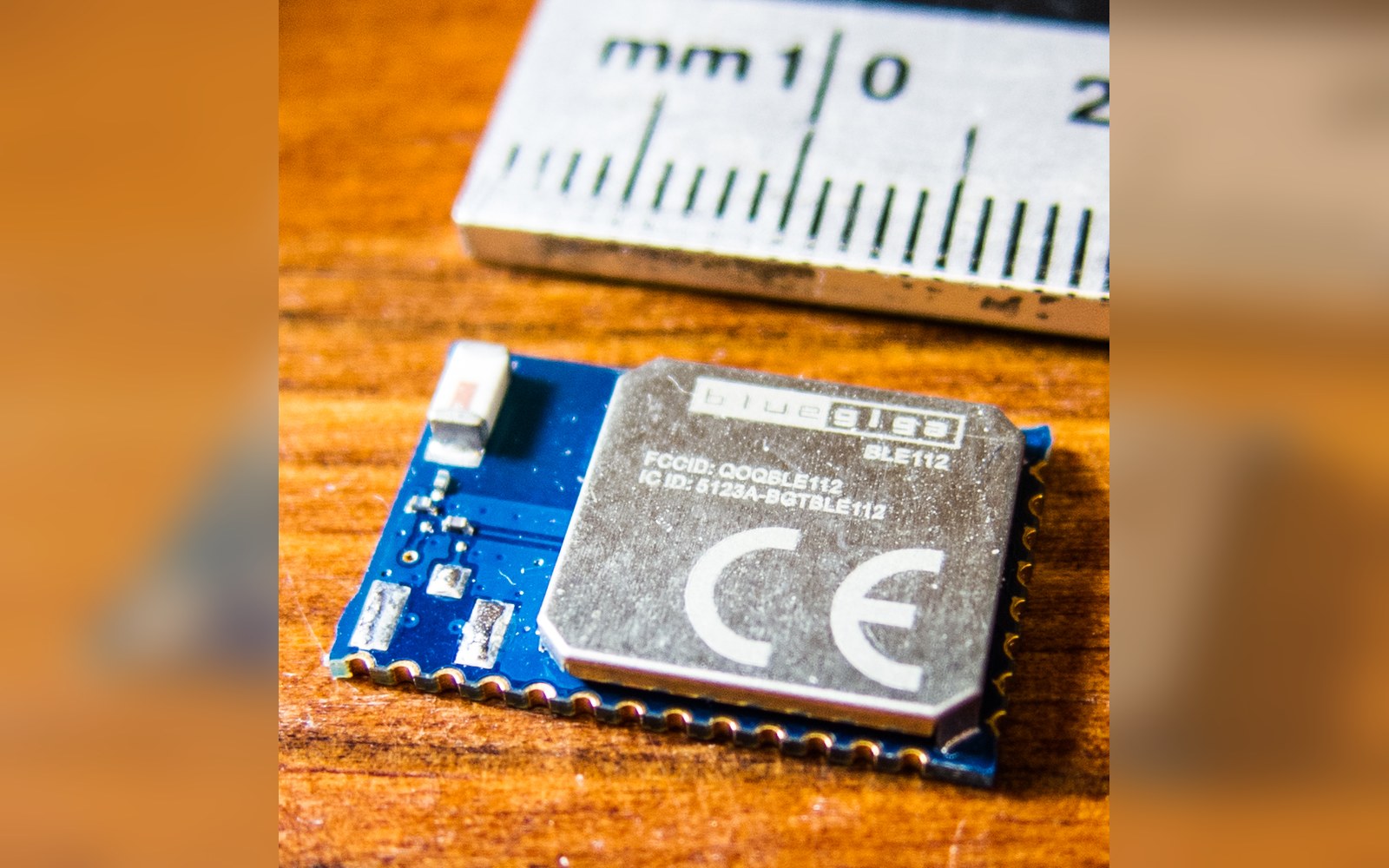
Why the tradeoff exists, and how four protocols chose differently
Every radio burns power when it transmits, and most of it wastes that power transmitting information nobody needed. The insight behind BLE, Zigbee, Thread and LoRaWAN is the same in each case: if you define your application tightly enough, you can keep the radio off almost all the time and still get the job done. What differs is how tightly each protocol defines "the job," and that choice determines where each one sits on the throughput-versus-sleep curve.
Four protocols, four points on the curve
Bluetooth Low Energy was introduced as part of the Bluetooth 4.0 specification, published by the Bluetooth SIG in 2010. It shares a name with Classic Bluetooth but not an architecture. BLE operates in the 2.4 GHz ISM band across 40 channels, uses frequency-hopping spread spectrum, and is built around the concept of a connection interval: the two endpoints agree when they will next exchange data, and both radios sleep until that moment. Connection intervals can be as short as 7.5 milliseconds or as long as four seconds; a peripheral that only needs to send a sensor reading once a minute can sleep for the vast majority of that time. The tradeoff is a peak data rate that rose from 1 Mbit/s in 4.0 to 2 Mbit/s in Bluetooth 5.0 (2016) — adequate for a heart-rate monitor, not for a video stream.
Zigbee is older. The IEEE ratified 802.15.4, the physical and MAC layer that Zigbee runs on, in 2003; the Zigbee Alliance — now the Connectivity Standards Alliance — published the first Zigbee specification in 2004. It also operates at 2.4 GHz globally (with additional sub-GHz channels in some regions) at a raw rate of 250 kbit/s. Where Zigbee distinguishes itself is topology: it defines a mesh network in which router nodes can relay traffic, allowing the network to cover a building without line-of-sight. End devices — battery-powered sensors — sleep aggressively and poll their parent router only when they have something to send or receive. The duty cycle for a sleeping end device can be well below one percent, which is what lets a Zigbee temperature sensor run for years on a coin cell.
Thread uses the same 802.15.4 physical layer as Zigbee but discards the Zigbee application layer and runs IPv6 natively instead. The Thread Group published version 1.0 in 2015. Because every node has a routable address, a Thread network integrates directly with IP infrastructure without a protocol-translating gateway. It uses a mesh topology similar to Zigbee's, with the same sharp distinction between always-on routers and sleeping end devices. The efficiency characteristics are closely comparable, but the IP-native design was the explicit reason Thread was chosen as the networking layer beneath Matter, the cross-ecosystem smart-home standard that the Connectivity Standards Alliance published in 2022.
Protocol comparison
- BLE — 2.4 GHz ISM; 1–2 Mbit/s peak; range tens of meters; optimised for paired devices and wearables
- Zigbee — 2.4 GHz (and regional sub-GHz); 250 kbit/s; mesh topology; end-device duty cycle below 1 %
- Thread — same 802.15.4 PHY as Zigbee; IPv6-native; mesh with sleeping end devices; foundation layer under Matter
- LoRaWAN — sub-GHz (868 MHz EU / 915 MHz US); 0.3–50 kbit/s; kilometers of range; duty-cycle capped by regulation
LoRaWAN makes the most extreme tradeoff of the four. The LoRa physical layer — a chirp spread-spectrum modulation developed by Semtech — was commercialised around 2012; the LoRa Alliance published the LoRaWAN specification in 2015. Where BLE and Zigbee are measured in meters to hundreds of meters, LoRaWAN devices can reach a gateway several kilometers away in open terrain, sometimes considerably more, by spreading a signal across a wide bandwidth at very low power. The cost is throughput: LoRaWAN data rates typically run from 0.3 kbit/s to around 50 kbit/s depending on spreading factor and bandwidth. A Class A device — the most battery-efficient mode — transmits when it has data, then opens two brief receive windows, then sleeps until the next event. Duty-cycle regulations in the sub-GHz bands used by LoRaWAN (868 MHz in Europe under ETSI rules, 915 MHz in the Americas) enforce a maximum on-air fraction, often one percent, that makes a high throughput rate structurally impossible anyway.
The four protocols are not competing for the same application space. BLE is optimised for short-range, human-scale interaction. Zigbee and Thread serve dense indoor meshes. LoRaWAN serves sparse, wide-area sensing. Each chose its point on the curve deliberately, and the duty cycle is less a limitation than a design target stated in advance.
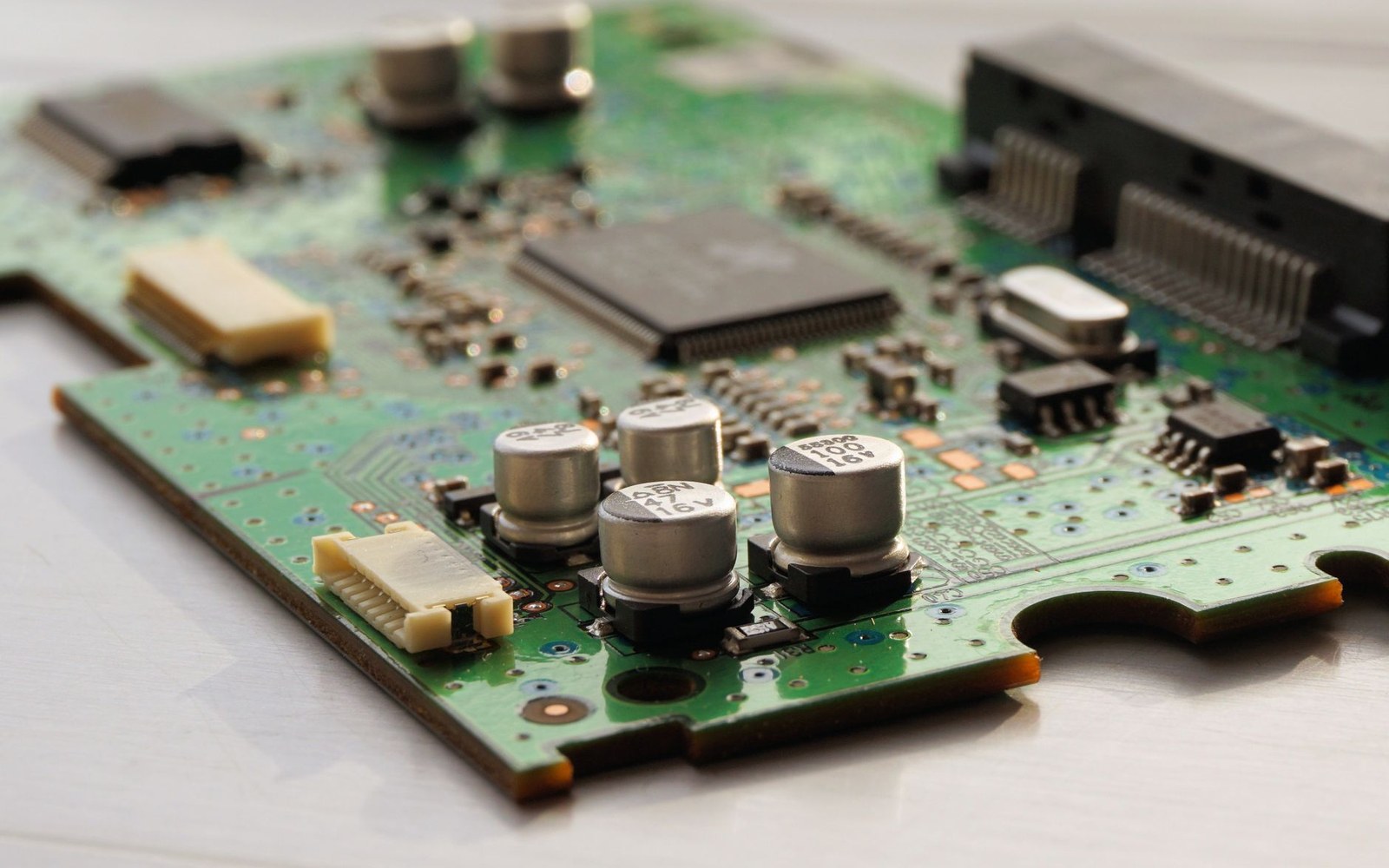
Where Zigbee distinguishes itself is topology: it defines a mesh network in which router nodes can relay traffic, allowing the network to cover a building without line-of-sight.
Key dates
- 2003 — IEEE ratifies 802.15.4 (the PHY/MAC shared by Zigbee and Thread)
- 2004 — Zigbee Alliance publishes first Zigbee specification
- 2010 — Bluetooth SIG publishes Bluetooth 4.0, introducing BLE
- 2015 — Thread Group publishes Thread 1.0; LoRa Alliance publishes LoRaWAN spec
- 2016 — Bluetooth 5.0 doubles BLE peak rate to 2 Mbit/s
- 2022 — Connectivity Standards Alliance releases Matter 1.0, built on Thread
Read next
The rest of what has to implement it
- HardwareEverything between the antenna and the chipFilters, amplifiers and switches in the RF front end determine real performance more often than the baseband does, and they are band-specific.
- HardwareMore antennas, more pathsMIMO and MU-MIMO use multipath as a resource rather than a problem, and the antenna count in a device is a direct consequence.
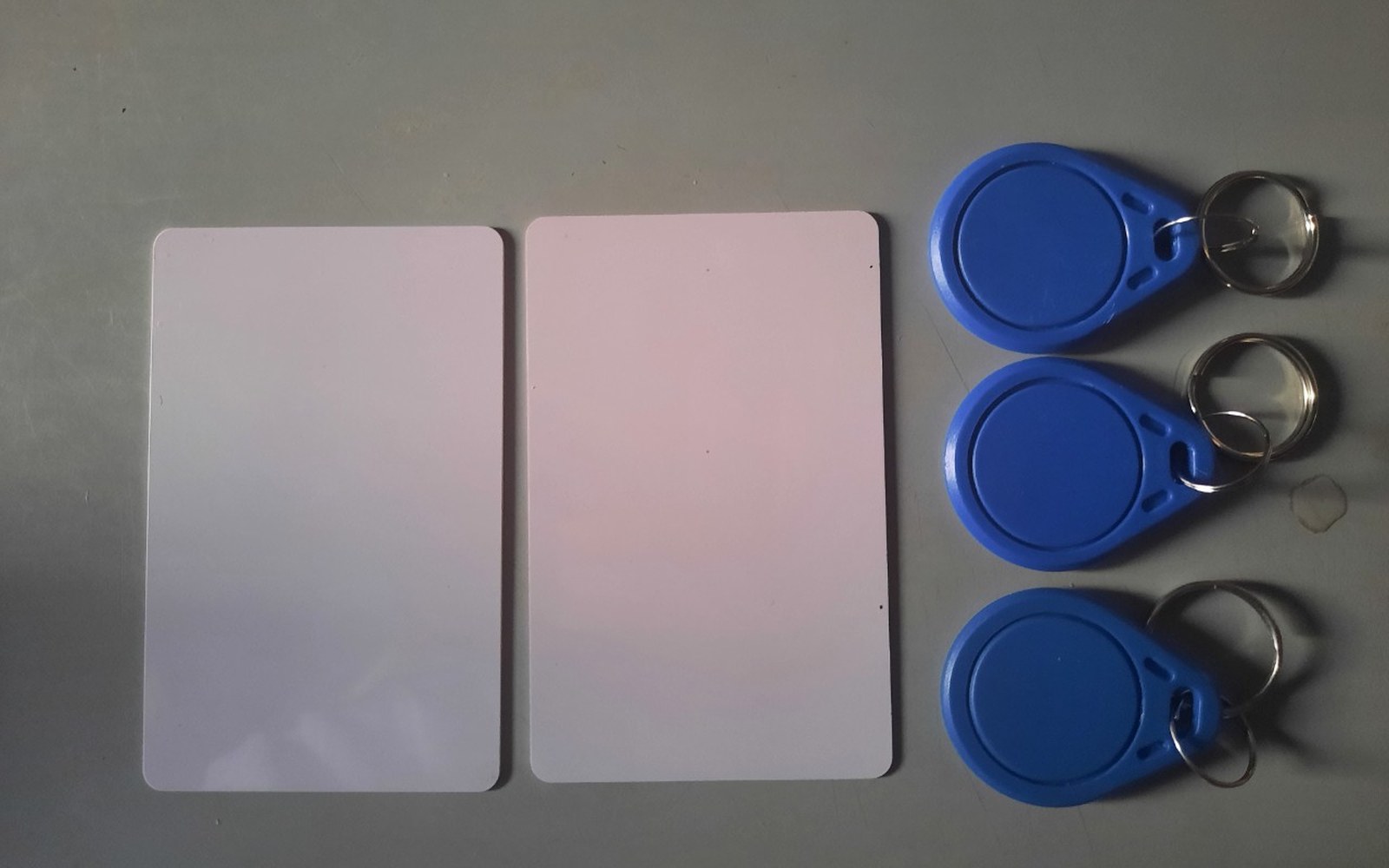 HardwarePower arriving through the antennaNFC and passive RFID draw their power from the reader's field, which is why range is measured in centimetres and why the tag can be a sticker.